Fan Stay
Atix Hotel
La Paz's most stylish boutique hotel in the Calacoto neighborhood with contemporary art and a world-class restaurant. The top choice for design-conscious visitors attending events in Bolivia's capital.
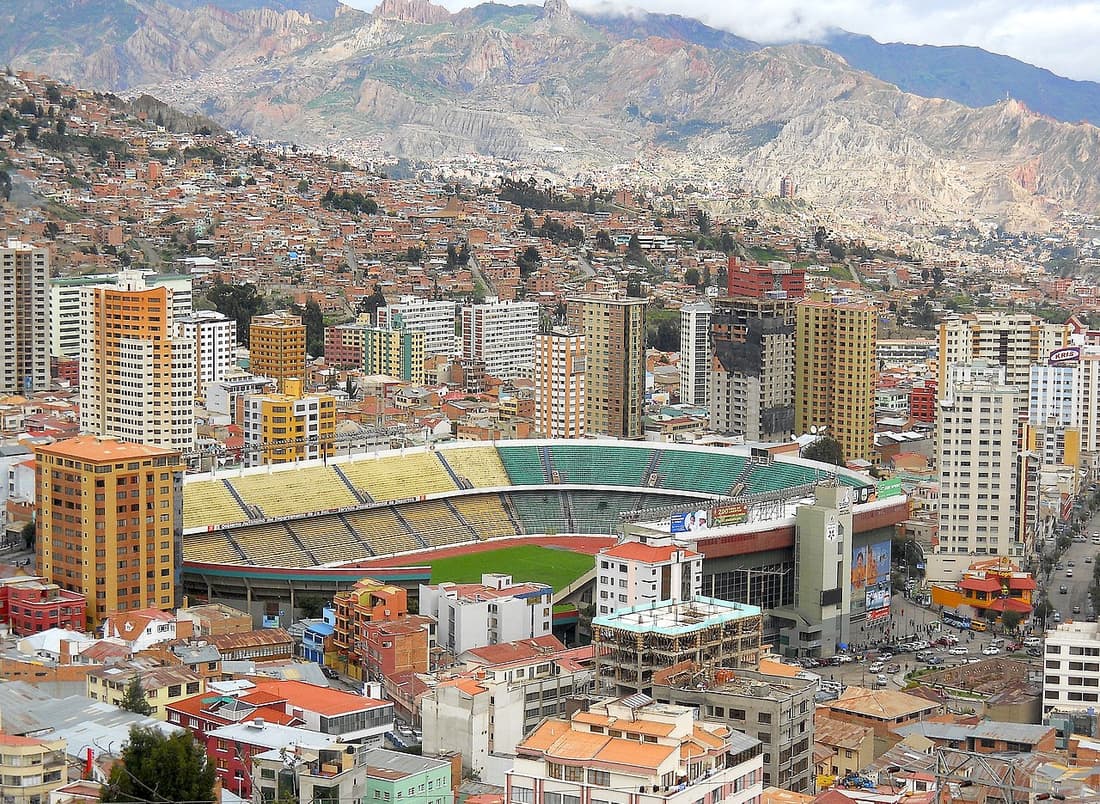
La Paz, Bolivia · Capacity: 38,000
Bolivia's largest stadium with a 42,000 capacity, located at 3,637 meters above sea level — one of the highest professional stadiums in the world. The extreme altitude is a massive factor in South American World Cup qualifying.
The Estadio Hernando Siles sits at over 3,600 metres in La Paz — one of the highest top-flight stadiums on earth — where the thin Andean air leaves visiting teams gasping and gives Bolivia and clubs like Bolívar and The Strongest a famous home advantage.
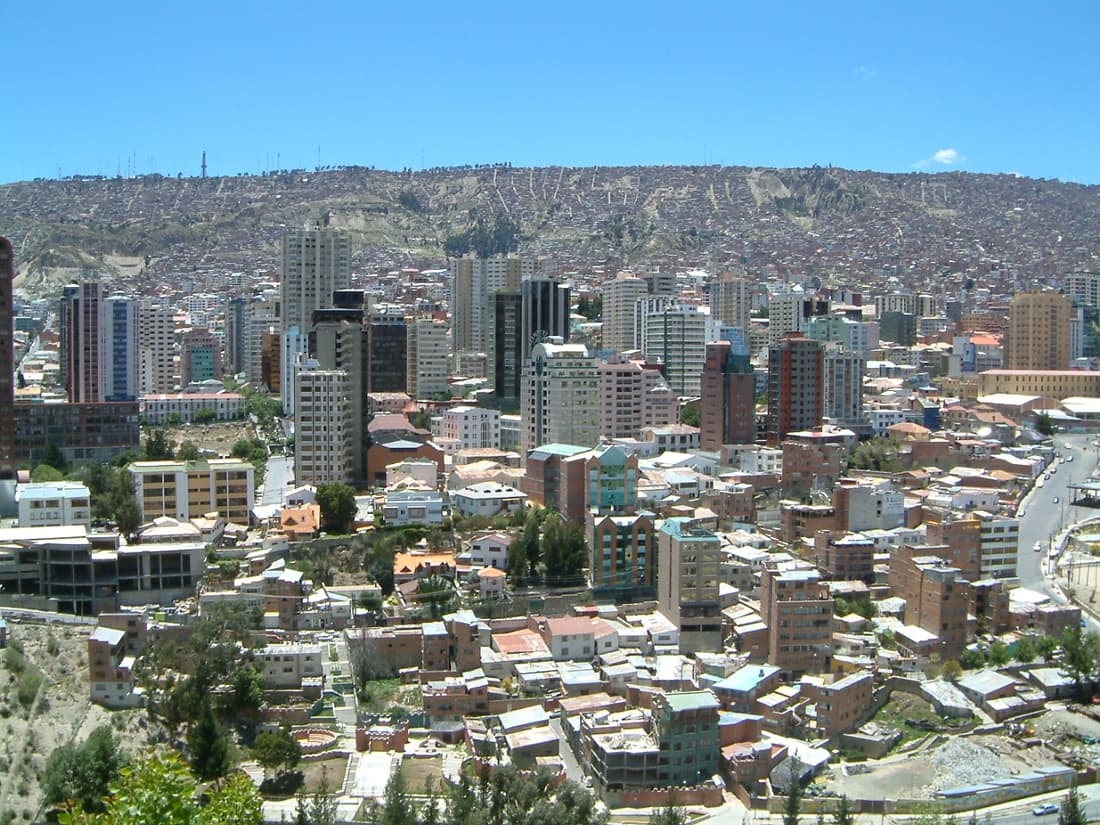
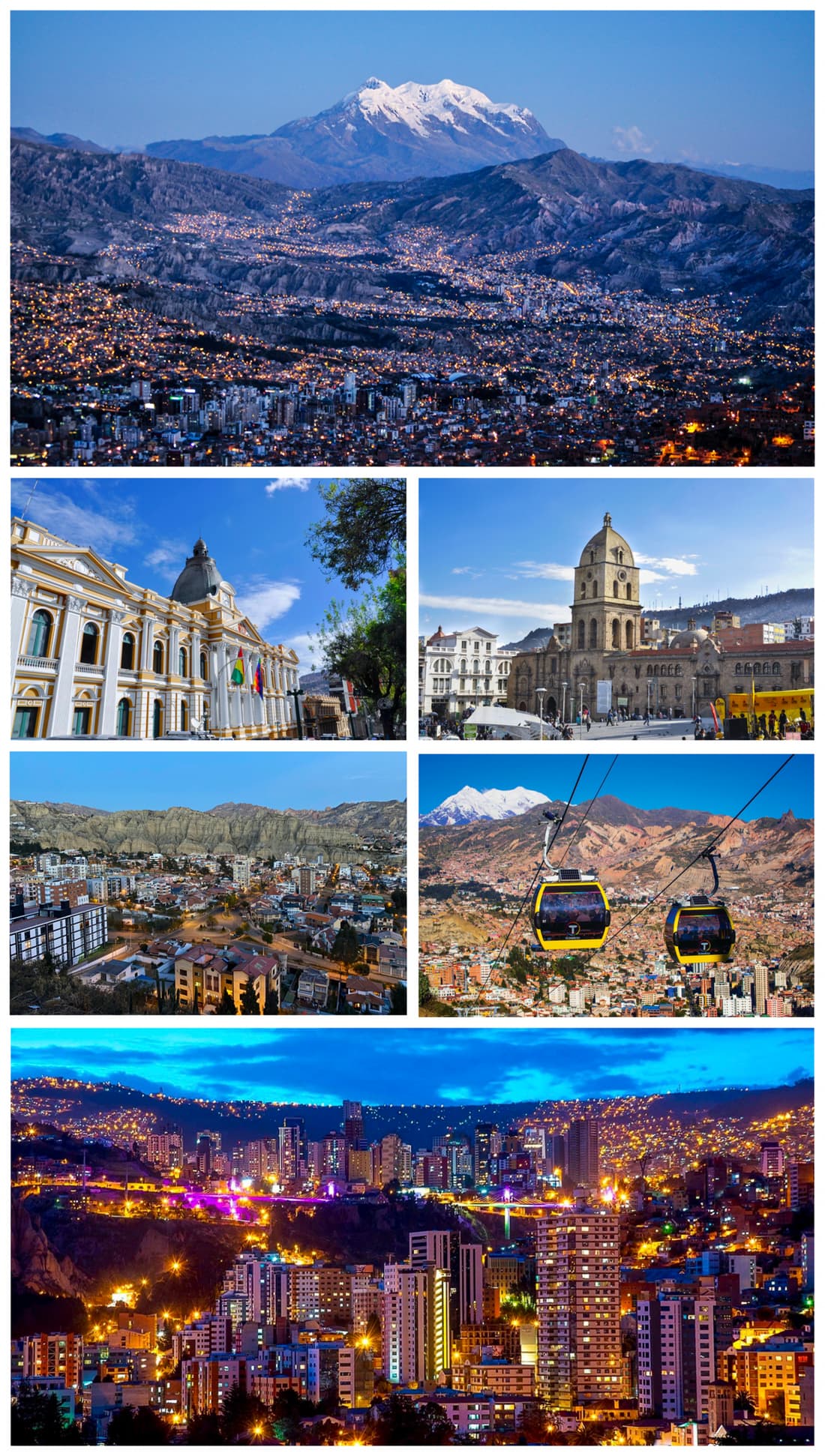
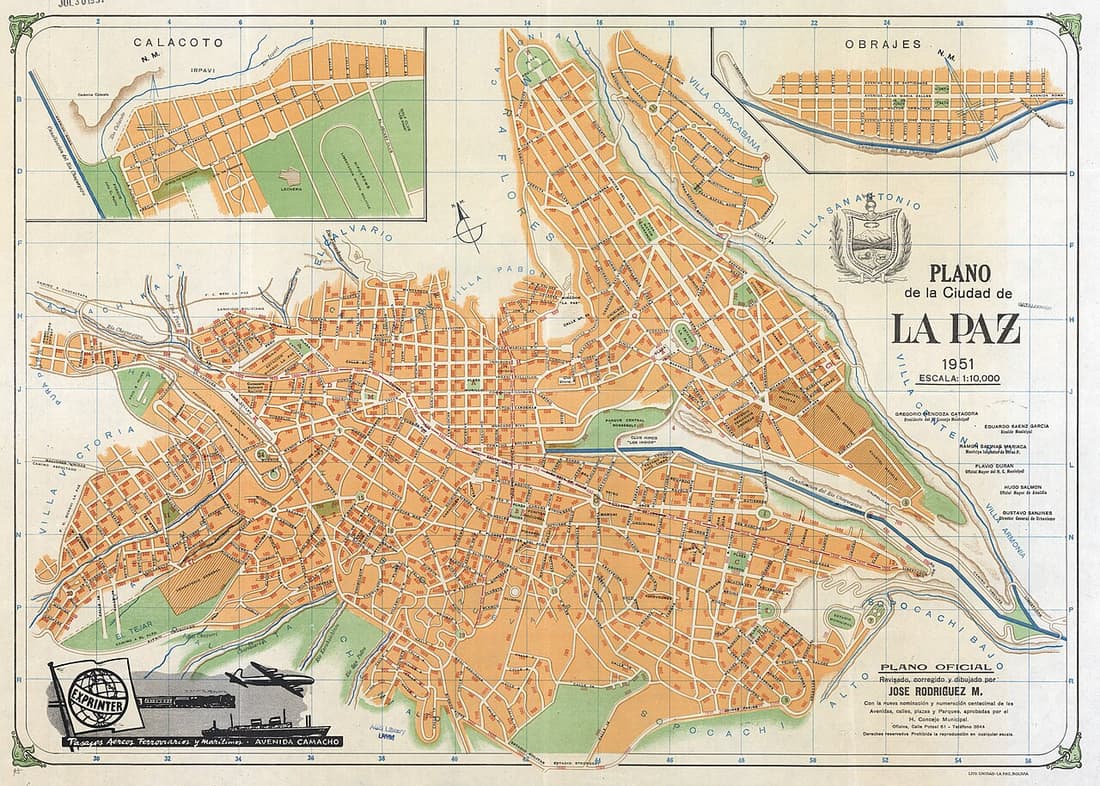
La Paz is a dramatic, cable-car-laced city in a canyon high in the Andes.
Below are the La Paz stays, restaurants and bars fans use around the stadium.
Hotels, bars, restaurants and things to do near Estadio Hernando Siles in La Paz — every pick web-researched and source-cited, closest to the stadium first.
La Paz's most stylish boutique hotel in the Calacoto neighborhood with contemporary art and a world-class restaurant. The top choice for design-conscious visitors attending events in Bolivia's capital.
Well-appointed hotel in the Zona Sur offering comfortable rooms and mountain views. A reliable base for international visitors attending matches at Estadio Hernando Siles in the city center.
Classic hotel on the Prado, La Paz's main boulevard, with easy access to Plaza Murillo and the stadium. A centrally located option for fans who want to be in the heart of the action.
Luxury boutique hotel with a full spa — essential for acclimatizing to La Paz's extreme altitude. Pamper yourself before braving the thin air at the world's highest professional football stadium.
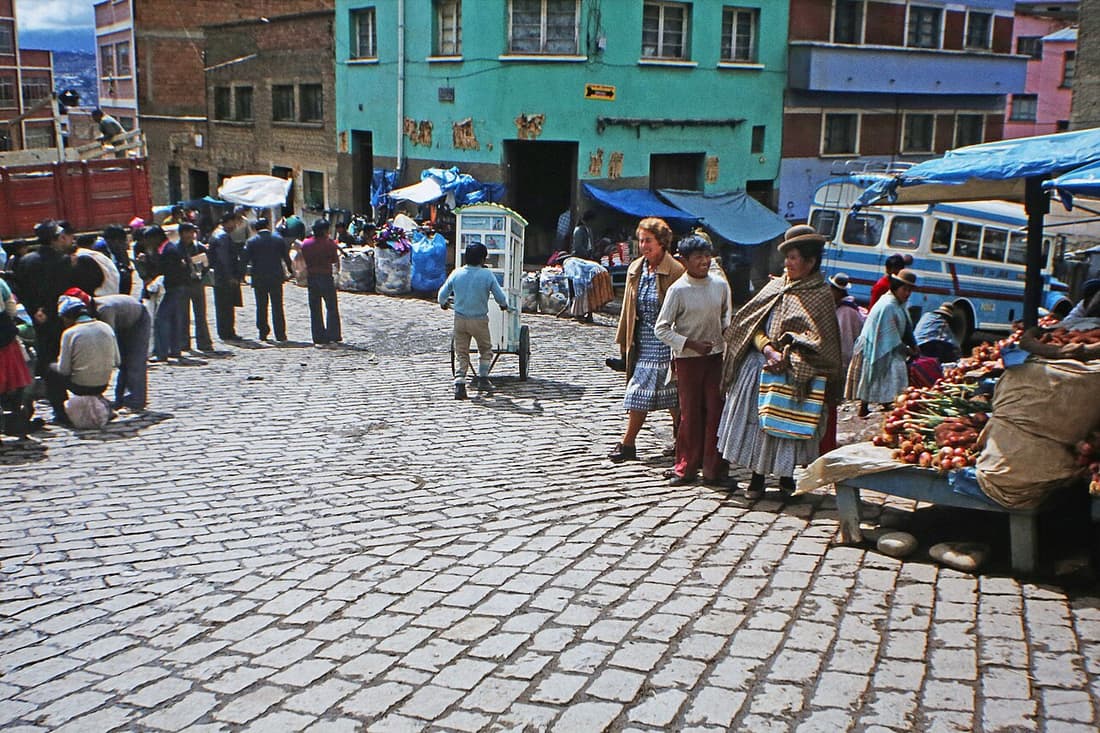
A traditional Bolivian peña bar where folk music performances combine with football screenings on match nights, creating a uniquely Andean sports bar atmosphere. Chicha and singani cocktails fuel passionate debates about the Bolivian national team's prospects. The charango and zampoña music between matches is something no visiting fan forgets.
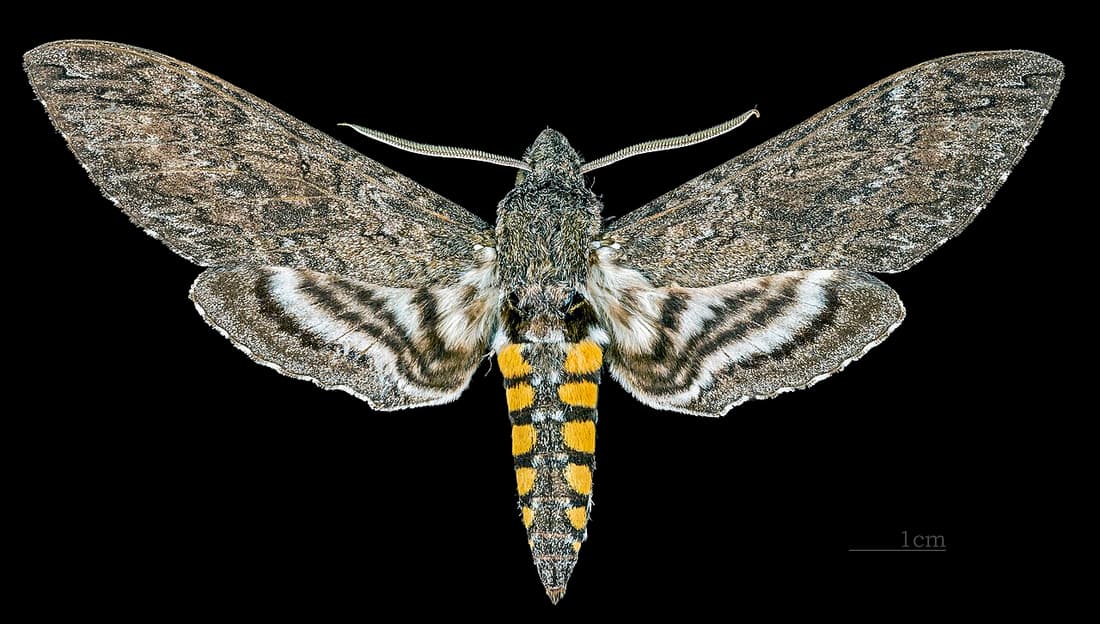
The official fan club bar of The Strongest, Bolivia's most historic football club, is a shrine to the yellow and black in central La Paz. Memorabilia dating back to the club's 1908 founding covers every surface, and match broadcasts draw passionate crowds of atigrados faithful. Visitors are warmly welcomed and can purchase official merchandise on site.
Diesel Nacional in La Paz's Zona Sur is Bolivia's most progressive sports bar — a craft beer and cocktail venue where The Strongest and Club Bolívar fans (rivals in the world's highest football league at 3,600m elevation) coexist remarkably well over Bolivian craft ales and salteñas. The bar's multiple screens cover Copa Libertadores and international football alongside the Liga de Fútbol Profesional Boliviano, and visiting international fans who stumble in invariably become fascinated by the passion and altitude-challenged athleticism of Bolivian football. A truly unique fan bar experience.
Traditional peña (folklore bar) with live Andean music, dancing, and singani cocktails. An immersive cultural night out that captures the spirit of La Paz's passionate, celebration-loving sports culture.
Industrial-chic cocktail bar in Sopocachi crafting creative drinks with Bolivian spirits like singani. A stylish gathering spot for La Paz nightlife that buzzes after fútbol matches.
La Paz's beloved English-style pub where expats and locals watch international sports together. Screens show Premier League, Champions League, and Bolivian fútbol in a cozy, high-altitude pub setting.
Pioneering vegan restaurant using Andean superfoods and indigenous techniques to create stunning plant-based Bolivian cuisine. A culinary gem at 3,600 meters that's reshaping perceptions of Bolivian food.
World-renowned restaurant founded by Claus Meyer (Noma co-founder) showcasing Bolivia's incredible biodiversity through indigenous ingredients. A transformative dining experience in the world's highest capital city.
La Paz's bustling central market where locals eat salteñas, api, and fresh juices at unbeatable prices. An essential cultural experience for fans visiting Bolivia's capital for Bolívar or The Strongest matches.
A beloved vegetarian restaurant in the Sopocachi neighborhood serving creative Andean-inspired dishes at altitude-friendly prices. Fans fueling up before a Bolívar match at Estadio Hernando Siles appreciate the hearty quinoa bowls and fresh juices that help with La Paz's thin air.
Modern Bolivian comfort food in the Sopocachi neighborhood, reinventing classics like pique macho and silpancho. Where La Paz's young professionals and sports fans gather for weekend lunches.
Founded with support from Claus Meyer, Gustu is Bolivia's most celebrated restaurant and the perfect victory-dinner destination after watching Bolívar lift a trophy at the Estadio Hernando Siles. The menu is a deep dive into Bolivian ingredients — llama, quinoa, chuño — presented with genuine craft. Fans who want to combine their sporting trip with the country's finest table come here.
Local sports tour operators offer fans the chance to experience altitude football first-hand, training with local club teams at La Paz's neighbourhood pitches 3,600 metres up. The tours explain how altitude has defined Bolivian football tactics and shaped their World Cup qualification campaigns. A truly unique athletic challenge that leaves a lasting impression.
La Paz's famous cholita wrestling events combine Bolivian indigenous culture with lucha libre-style theatrical combat, staged on Sunday afternoons at venues in El Alto. Bolivian women in traditional pollera skirts and bowler hats perform acrobatic wrestling bouts for enthusiastic local and tourist audiences. An utterly unique sporting cultural experience that defines La Paz.
La Paz's famous Witches Market, where Bolivian fans buy good luck charms and talismans before important matches, blending pre-Columbian spiritual practice with football superstition. Vendors sell amulets in team colors alongside dried llama fetuses and herbal remedies. A profoundly unique cultural experience for any sports fan.
El Alto's municipal stadium sits even higher than the Hernando Siles at nearly 4,000 metres and hosts the passionate local football culture of Bolivia's second-largest city. The raw atmosphere of grassroots Bolivian football here feels worlds away from European professional sport. Weekend afternoon matches offer an authentic window into South American sporting passion.
La Paz's historic government square becomes an unofficial fan zone during major Bolivian national team matches, with locals gathering around televisions visible through café windows and gathering in groups to watch on mobile devices. The energy of Bolivian football nationalism in this central square is genuinely moving. Street food vendors cater to the crowds at all hours.
La Paz's extraordinary urban cable car network connects the stadium neighborhoods and gives sports fans a bird's-eye view of the stadium and city at a height most cities' aircraft barely reach. The Red Line passes directly above the Hernando Siles Stadium. A journey on the cable car before a match is the only way to appreciate the city's extraordinary topography.
Estadio Hernando Siles in La Paz is tracked across 0 events and seats 38,000 fans. Here's how fans build a trip around it:
Structured facts on this page (capacity, opening year, architect, ownership) are compiled from public reference databases and verified against venue coordinates.
Check back for celebrity sighting reports from Estadio Hernando Siles.
Estadio Hernando Siles has a capacity of 38,000 people.
Estadio Hernando Siles opened in 1930. It was designed by Emilio Villanueva Peñaranda.
Club Bolívar, The Strongest, Club Always Ready play home games at Estadio Hernando Siles in La Paz.
Check our events page for upcoming events at Estadio Hernando Siles.