Fan Stay
Holiday Inn San José Aurola
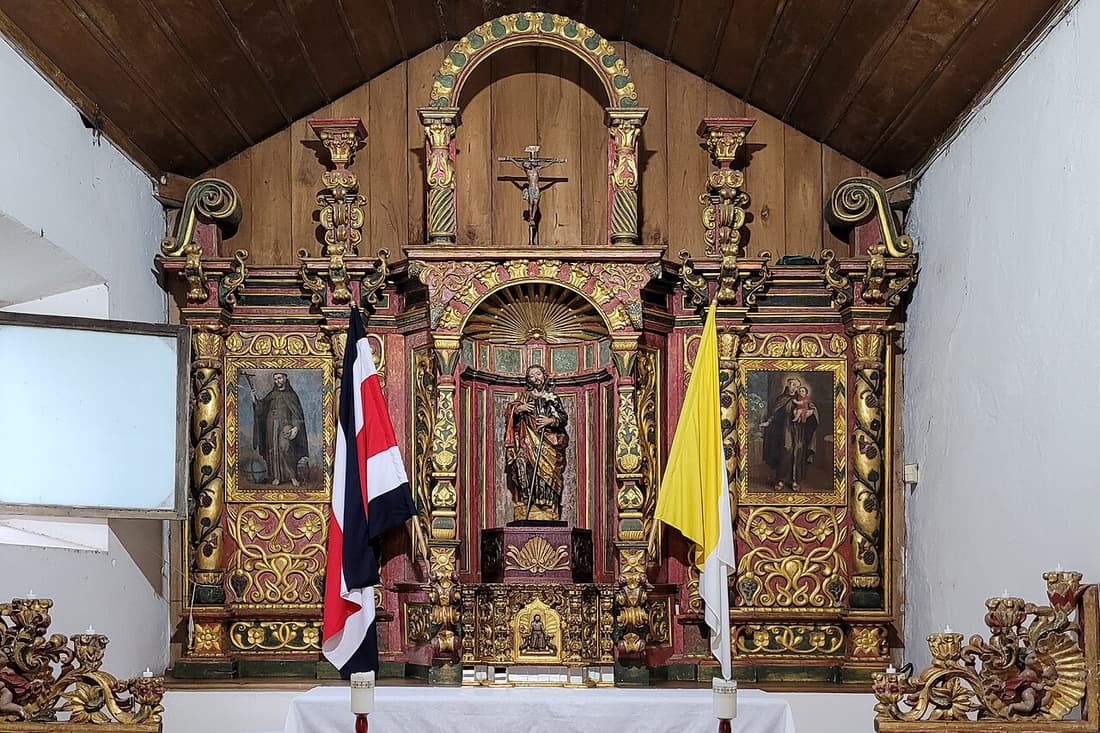
Modern downtown hotel with a rooftop pool and panoramic mountain views. Convenient for international fans visiting San José for CONCACAF qualifiers or Copa Centroamericana matches.
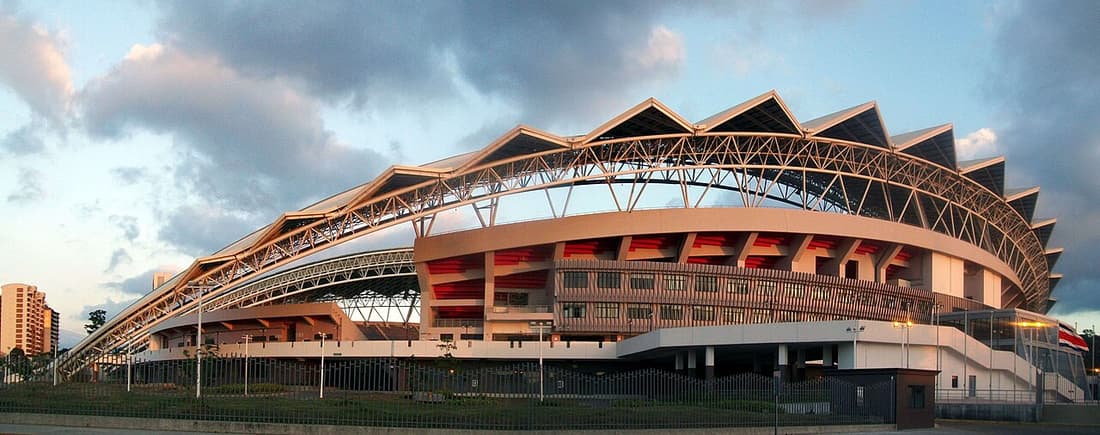
San José, Costa Rica · Capacity: 35,175
Costa Rica's national stadium with a 35,175 capacity, opened in 2011. A gift from the Chinese government, it hosts national team matches, concerts, and the biggest sporting events in Central America.
The Estadio Nacional in San José is the modern home of Costa Rica's national team — “La Sele” — the overachievers who reached a World Cup quarterfinal, in a stadium set in the green La Sabana park.
San José is the gateway to Costa Rica's volcanoes, beaches and cloud forests.
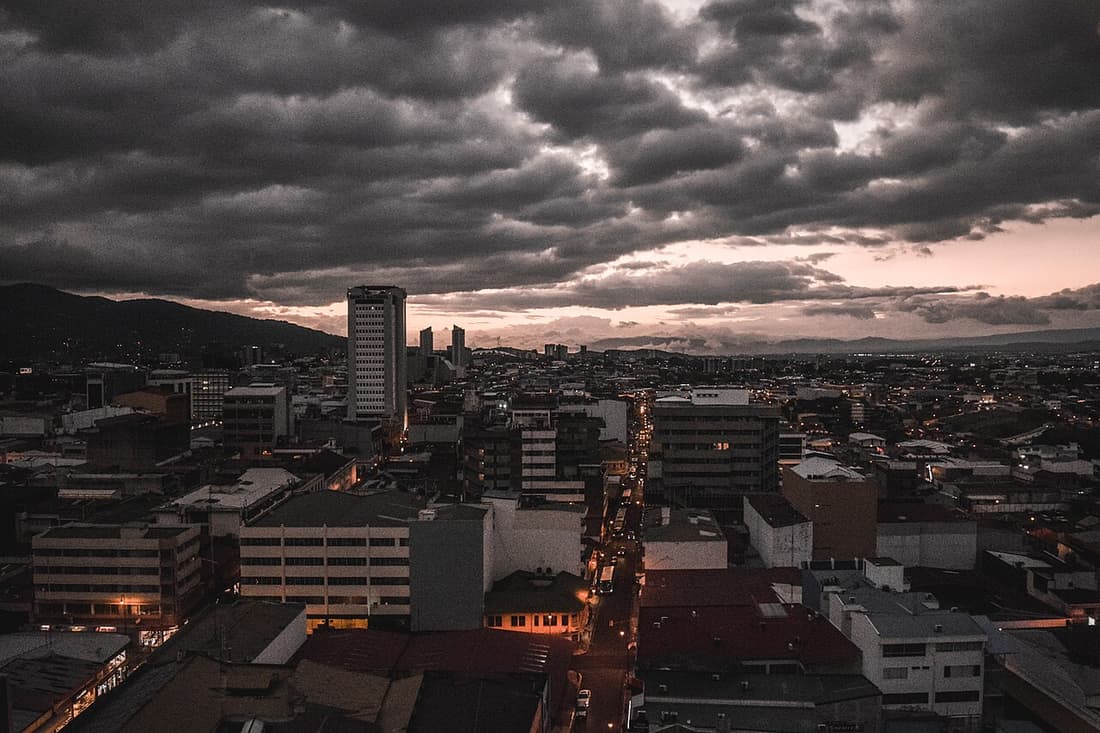
Below are the San José stays, restaurants and bars fans use around the Estadio Nacional.
Hotels, bars, restaurants and things to do near Estadio Nacional de Costa Rica in San José — every pick web-researched and source-cited, closest to the stadium first.
Modern downtown hotel with a rooftop pool and panoramic mountain views. Convenient for international fans visiting San José for CONCACAF qualifiers or Copa Centroamericana matches.
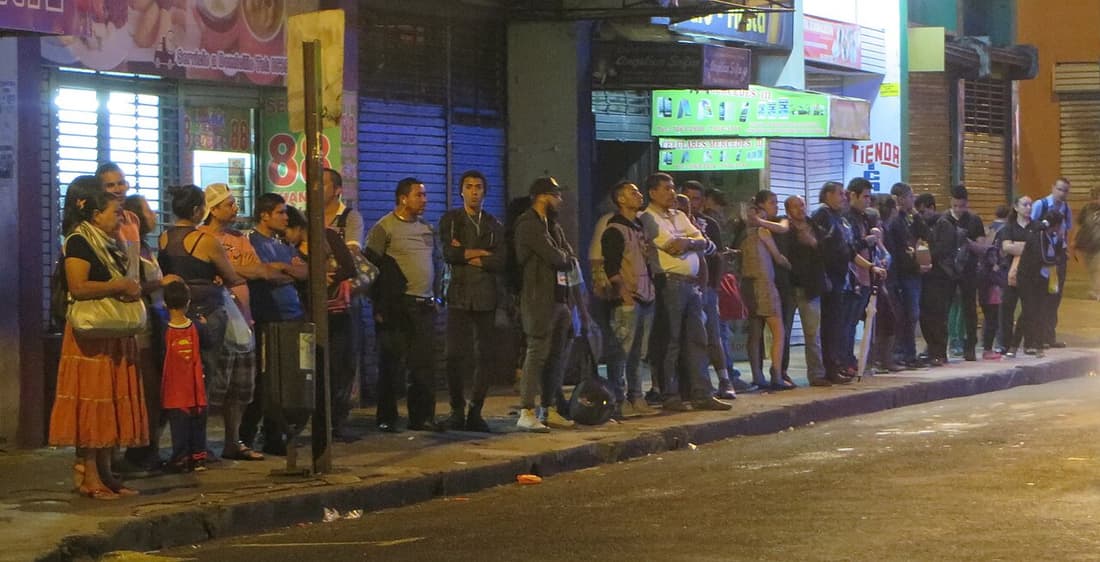
Award-winning boutique hotel in a restored Victorian mansion with tropical gardens and a rooftop jacuzzi. San José's most charming stay, offering an oasis of calm amid the city's fútbol-fueled energy.
Centrally located hotel on Avenida Central near Mercado Central and the National Theater. A dependable base for visitors attending matches at Estadio Nacional or Estadio Ricardo Saprissa.
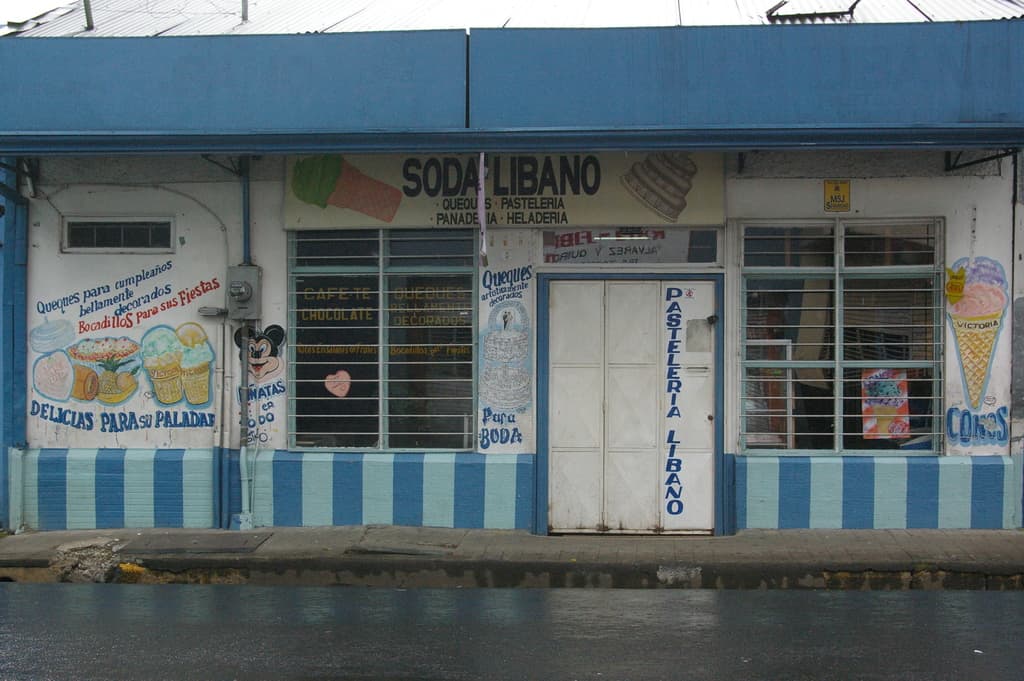
Art-focused boutique hotel in Santa Ana featuring works by Costa Rican artists and a stunning glass-walled restaurant. The design-forward choice for culturally minded fans visiting San José.
The Real InterContinental is the standard base for visiting sports delegations, international referees, and travelling fans who want reliable comfort close to San José's city centre and Estadio Nacional. The sports bar on the ground floor reliably shows major international fixtures alongside Liga FPD action. The pool is a welcome cooldown after navigating the city on a hot match day.
San José's La Bodeguita del Medio — modelled on the Havana original — is the city's liveliest pre-game bar for La Sele (Costa Rica national team) fans, with a covered patio that spills into the street on big match nights. The mojitos are exceptional and the wall-scrawled graffiti includes signatures from footballers and travelling fans who've celebrated iconic Costa Rican World Cup moments here. The live salsa band starts at 9 pm and doesn't stop until everyone has danced.
One of San José's most popular fan bars, Chelles packs in Ticos for every La Sele match and major European football fixture. The extensive screen coverage, cold Imperial beers, and generous casado plates make it ideal for full-day watch parties. Local fans are famously welcoming to visiting supporters.
Perched above Escazú, Club Vertical offers panoramic views of the Central Valley and San José skyline from its open-air rooftop. After La Sele matches, the dance floor fills with celebratory fans mixing reggaeton with pura vida energy late into the tropical night.
Cultural bar-restaurant with live music, art exhibitions, and a bohemian crowd. A gathering place for San José's creative class and the kind of spot where fútbol debates get philosophical.
San José's legendary live music venue near the University of Costa Rica, hosting jazz, rock, and Latin acts nightly. The city's premier nightlife destination and a post-match celebration institution.
San José craft brewery with bold tropical-inspired beers and a lively taproom. Part of Costa Rica's growing craft beer scene that's transforming the capital's nightlife beyond the traditional cantina.
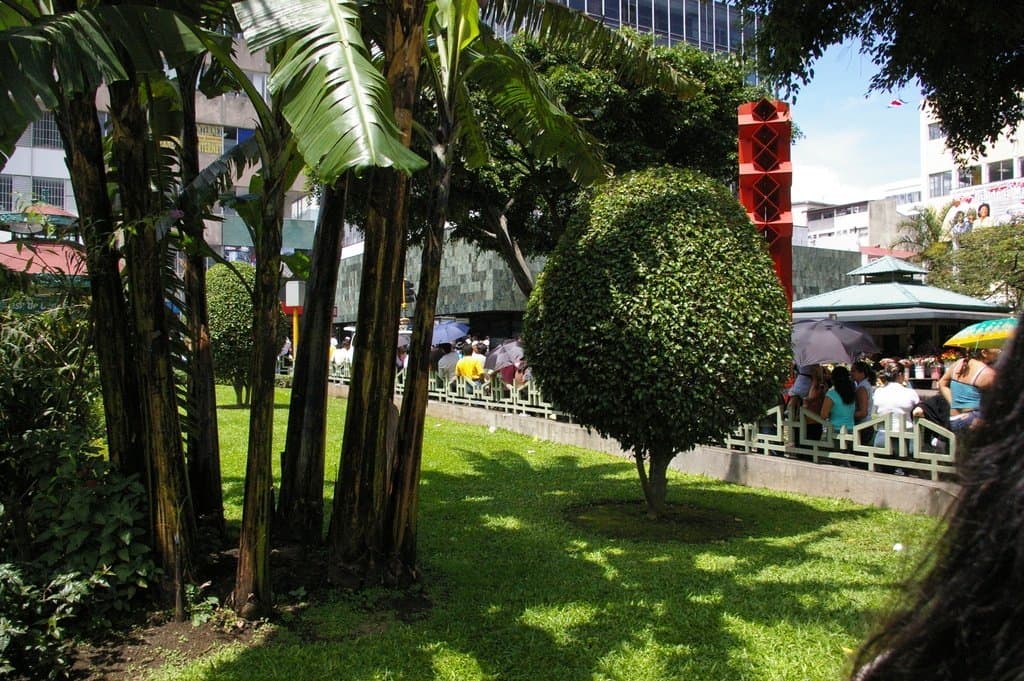
The covered central market is where Costa Rican football fans eat gallo pinto, casado, and chifrijo before heading to the national stadium. The market has operated continuously since 1880 and the football culture discussions at the soda counters are as reliable as the food. Pre-match market breakfasts on World Cup qualifier days are a Tico tradition.
Creative Asian-Latin fusion in the hip Barrio Escalante neighborhood, San José's emerging food corridor. Bold flavors and craft cocktails in a city that's shedding its reputation as a mere transit point.
Family-run restaurant serving traditional Tico fare — gallo pinto, olla de carne, and tamales — since the 1950s. A San José institution beloved by generations of Costa Rican sports fans.
San José's bustling central market since 1880, famous for its iconic casado lunches and fresh fruit batidos. The authentic Costa Rican food experience where Tico fans eat before heading to the stadium.
Award-winning restaurant showcasing Costa Rica's incredible biodiversity through innovative, locally sourced cuisine. Where San José's food elite gather after La Liga or Saprissa fútbol matches.
A San José landmark since 1977, Tin Jo serves an impressive range of Asian cuisines from Thai to Indian in a vibrant downtown setting. Ticos and visiting fans alike flock here for pre-match fuel before heading to Estadio Nacional, with vegetarian options that rival the meat dishes.
The Estadio Nacional in La Sabana is a modern 35,000-capacity stadium and the beating heart of Costa Rican football, hosting La Sele home qualifiers and CONCACAF finals. Stadium tours give fans an up-close look at the pitch, dressing rooms, and trophy gallery celebrating Costa Rica's legendary 2014 World Cup quarterfinal run. The park surrounding the stadium transforms into a massive fan zone before international matches, with food trucks and live entertainment.
San José's trendiest neighborhood, Barrio Escalante, has become the epicenter of Costa Rican football culture with dozens of sports bars and restaurants screening matches on outdoor terraces. The food scene is Central America's most creative and the combination of craft food and passionate football viewing is unique in the region. On World Cup qualifier nights every venue is standing room only.
The vast park surrounding Costa Rica's national stadium is the city's main sporting and social green space, where fans gather for hours before national team matches. The park includes outdoor sports facilities used by the public and is the site of the Tico Sports Museum in the former airport terminal. Pre-match barbecues and pickup football games fill the park on match mornings.
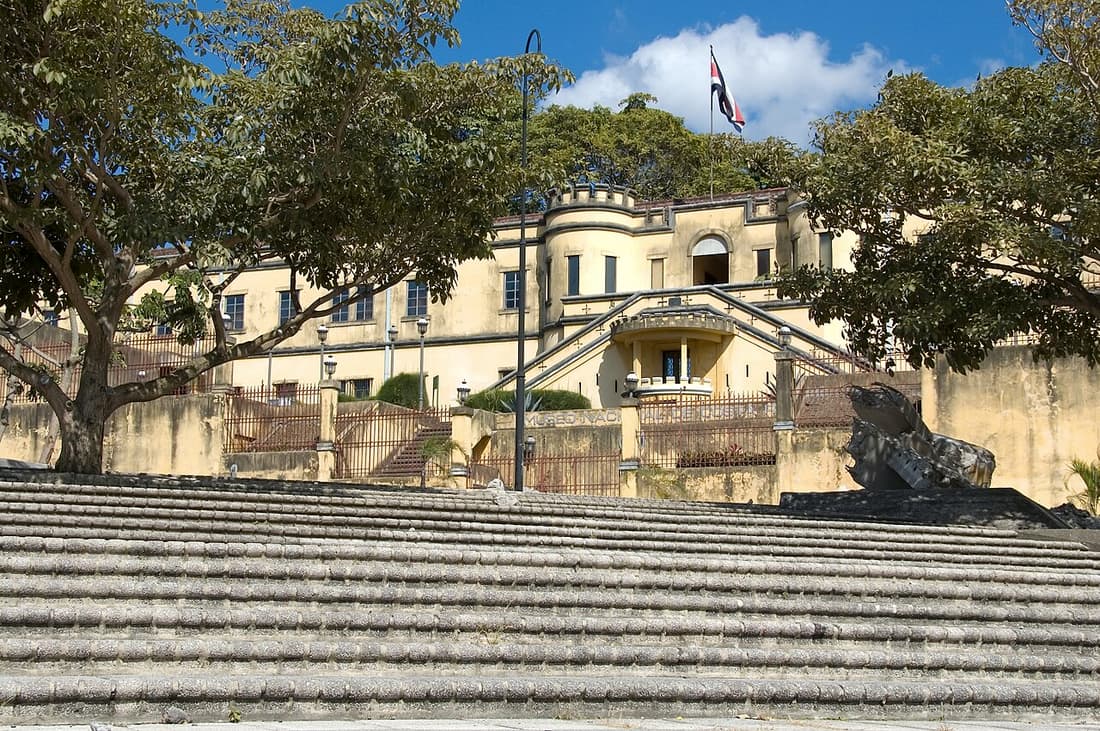
The national museum in the former Bellavista Fortress gives sports fans essential context for understanding the social forces that shaped Costa Rican football culture. The indigenous and colonial collections explain the Tico national character — the pura vida philosophy that animates Costa Rica's remarkable overachievement in international football. The bullet-marked walls from the 1948 civil war are a powerful historical statement.
During World Cup cycles and major CONCACAF tournaments, San José's cultural center transforms its courtyard into Costa Rica's biggest public fan zone with giant screens and food stalls. The communal joy of watching La Sele with thousands of fellow Ticos here is a defining travel memory. Local crafts vendors and live marimba bands add to the festive atmosphere.
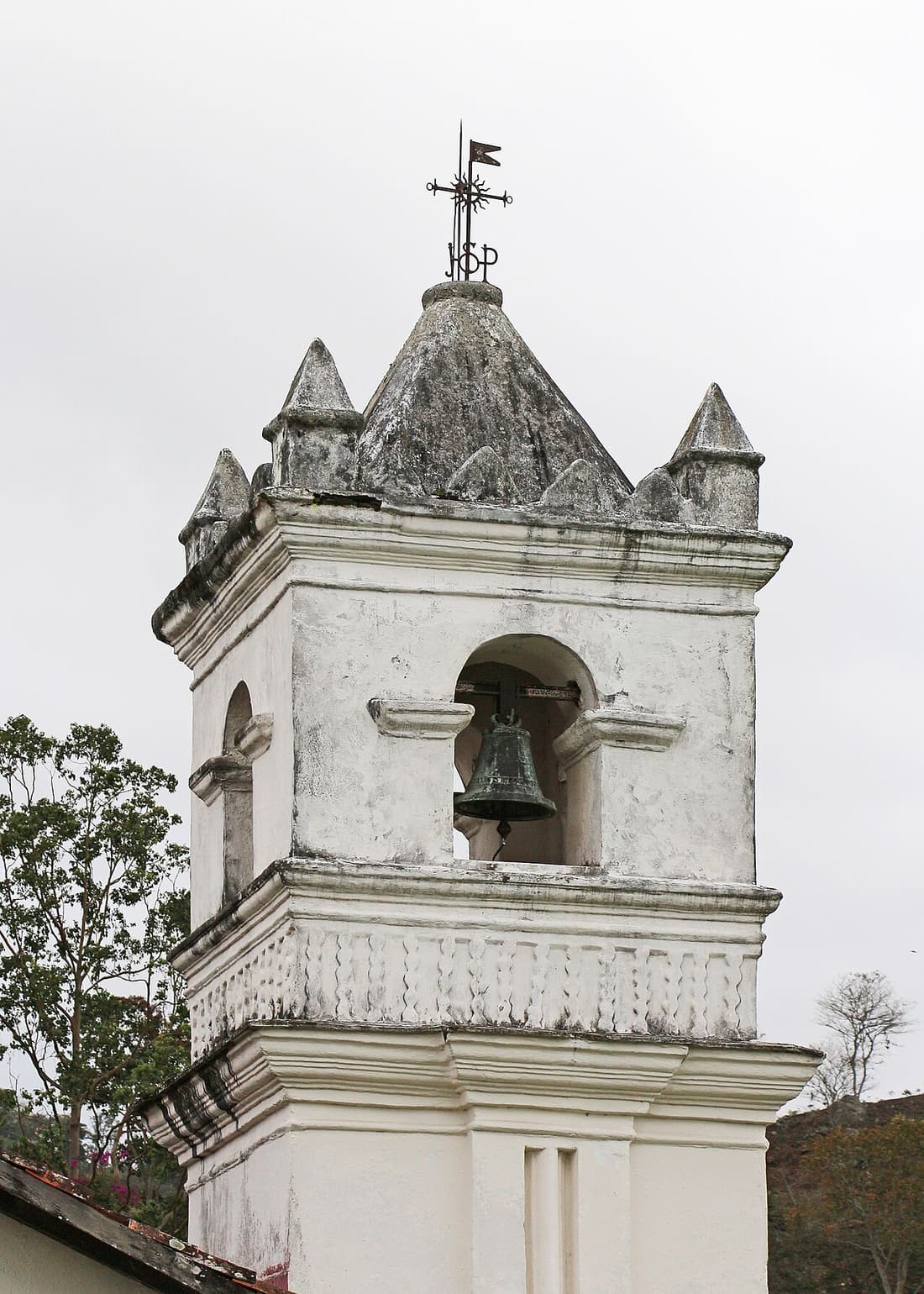
Following Liga Deportiva Alajuelense fans on their ritual walk from central San José to match venues is a crash course in Costa Rican football passion. The Manudos dress head-to-toe in red and black and chant without pause. Street vendors selling gallo pinto and chifrijo line the route, feeding the procession.
Estadio Nacional de Costa Rica in San José is tracked across 0 events and seats 35,175 fans. Here's how fans build a trip around it:
Structured facts on this page (capacity, opening year, architect, ownership) are compiled from public reference databases and verified against venue coordinates.
Check back for celebrity sighting reports from Estadio Nacional de Costa Rica.
Estadio Nacional de Costa Rica has a capacity of 35,175 people.
Estadio Nacional de Costa Rica opened in 2011.
Costa Rica men's national football team plays home games at Estadio Nacional de Costa Rica in San José.
Check our events page for upcoming events at Estadio Nacional de Costa Rica.