Skip to content
Estadio Azteca
stadium

Estadio Azteca

Mexico City, CDMX · Capacity: 87,523

Opened:1966
Capacity:87,523
Location:Mexico City, CDMX
Home:Club América, Mexico National Team

About Estadio Azteca

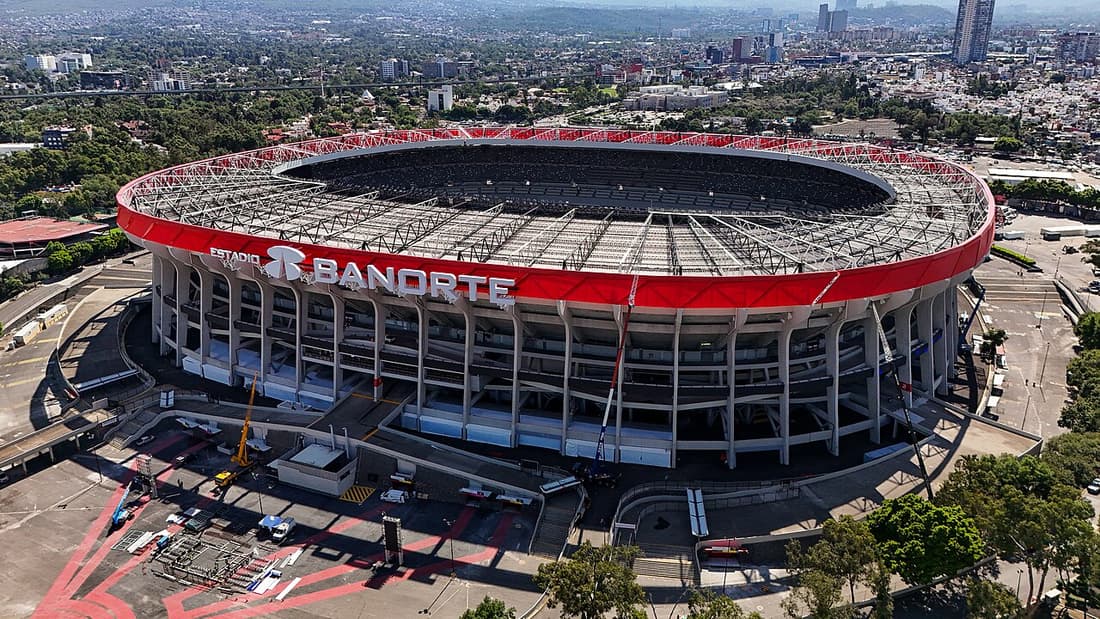
The cathedral of football — the only stadium to host two World Cup Finals (1970, 1986). Maradona's 'Hand of God' and 'Goal of the Century' both happened here. Home to Club América and the Mexican national team. The 87,523-seat colossus will host 2026 World Cup matches. At 7,200 feet altitude, visiting teams struggle.

  • Opened: 1966
  • Capacity: 87,523
  • Architect: Pedro Ramírez Vázquez, Rafael Mijares Alcérreca
  • Operator: Mexico City
  • Home teams: Club América, Mexico National Team
  • Owner: Mexico City, Grupo Televisa
  • Official site: www.estadioazteca.com.mx
Fan Guide · El Tri & Club América

The cathedral of CONCACAF opens the World Cup — for a third time

No stadium on earth has seen what the Estadio Azteca has. Opened in 1966 at over 2,200 metres of Mexico City altitude, it staged the finals of 1970 and 1986 — Pelé's masterpiece and Maradona's two goals against England — and on June 11, 2026 it becomes the first venue ever to host matches at three World Cups, opening the tournament with Mexico vs South Africa.

This is home turf for El Tri and for Club América, the country's most successful and most polarising club. A matchday here is loud, devout and unmistakably Mexican — and the city around it is one of the world's great food capitals, from the corner taquería to Pujol's tasting menu, with Aztec ruins and world-class museums between.

Below are the hotels, cantinas, restaurants and sights fans use to build a Mexico City World Cup trip around the Azteca.
Fan tip: Mexico City sits at 2,240 m — give yourself a day to acclimatise before kickoff, drink water, and go easy on the mezcal the first night.

World Cup 2026 at Estadio Azteca

Full tournament guide →

Estadio Azteca is a host venue for the 2026 FIFA World Cup, staging 5 matches at a tournament capacity of 87,500. Hosts the tournament's opening match (Mexico vs South Africa) on June 11, 2026 — the third edition of a World Cup hosted at Azteca.

FIFA Fan Festival: FIFA Fan Festival Mexico City — Zócalo (Plaza de la Constitución), Centro Histórico (June 11 - July 19, 2026 (39 days; all 104 matches screened; free admission, no alcohol))

Matchday transit: Metro Line 2 (Blue) to Tasqueña, then transfer to the Tren Ligero (Xochimilco Light Rail), exiting at Estadio Azteca station, steps from the main gates.

Where fans gather: Beyond the official Fan Festival, fans build their Estadio Azteca matchday around Mexico City — see the Mexico City fan hotspots and Mexico City travel guide for the best bars, food and places to watch.

Star power: 4 celebrity sightings have been logged at Estadio Azteca — see who in the sightings below.

Matches at Estadio Azteca

  • June 11, 2026 Mexico vs South Africa Group A
  • June 17, 2026 Uzbekistan vs Colombia Group K
  • June 24, 2026 Czechia vs Mexico Group A
  • June 30, 2026 Winner Group A vs 3rd-place qualifier (C/E/F/H/I) Round of 32
  • July 5, 2026 Winner Match 79 vs Winner Match 80 Round of 16

Where Fans Stay, Eat & Drink near Estadio Azteca

All Mexico City hotspots →

Hotels, bars, restaurants and things to do near Estadio Azteca in Mexico City — every pick web-researched and source-cited, closest to the stadium first.

Where to Stay

Camino Real Polanco México — Fan Stay
Fan Stay

Camino Real Polanco México

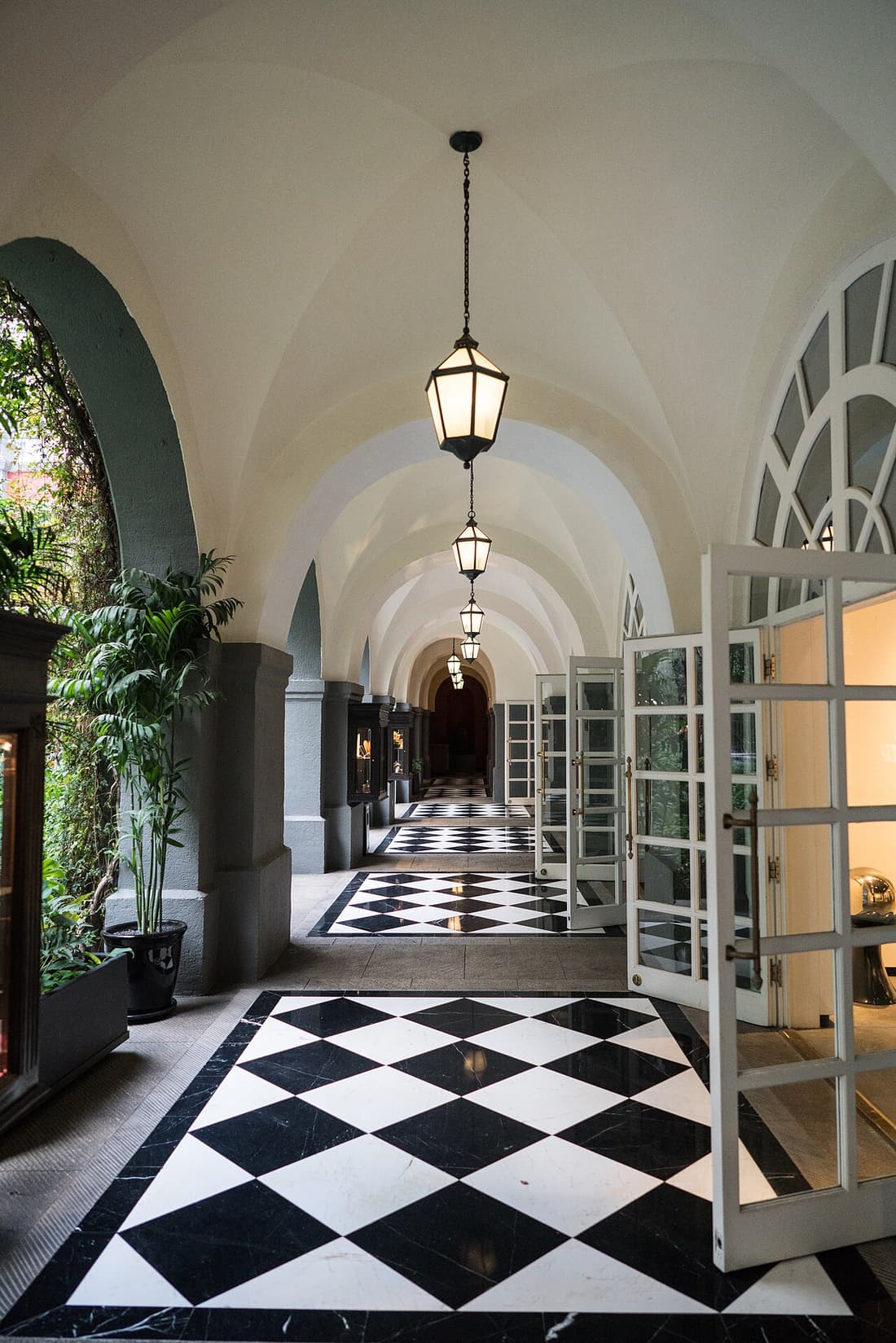
The Camino Real Polanco is a Ricardo Legorreta-designed masterpiece and the traditional hotel of choice for international football federations, FIFA delegations, and visiting national teams competing at Estadio Azteca. Its striking purple and white modernist interior is as memorable as the matches themselves, and the hotel's proximity to Polanco's finest restaurants makes post-game dinners effortlessly good. Staying here is part of Mexico City's football heritage.

Bars & Pubs

Cantina La Ópera — Fan Bar
Fan Bar

Cantina La Ópera

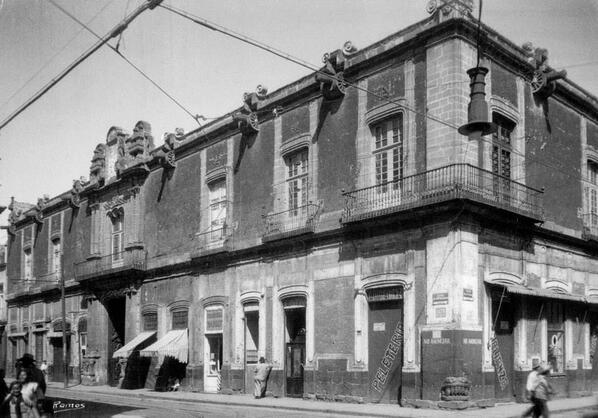
Cantina La Ópera in the Centro Histórico has been serving Mexico City's football fans, politicians, intellectuals, and artists since the 1870s beneath spectacular Belle Époque chandeliers and mahogany-panelled walls still marked by a bullet hole attributed to Pancho Villa. The cantina's tradition of free botanas, excellent tequila, and impassioned football conversation — Club América and Cruz Azul fans somehow coexisting — makes it one of the great sporting social institutions in any city on earth. Visiting on a Liga MX weekend and listening to the table debates is an encounter with Mexico City at its most theatrical.

Restaurants

Mercado de Medellín — Fan Eats
Fan Eats

Mercado de Medellín

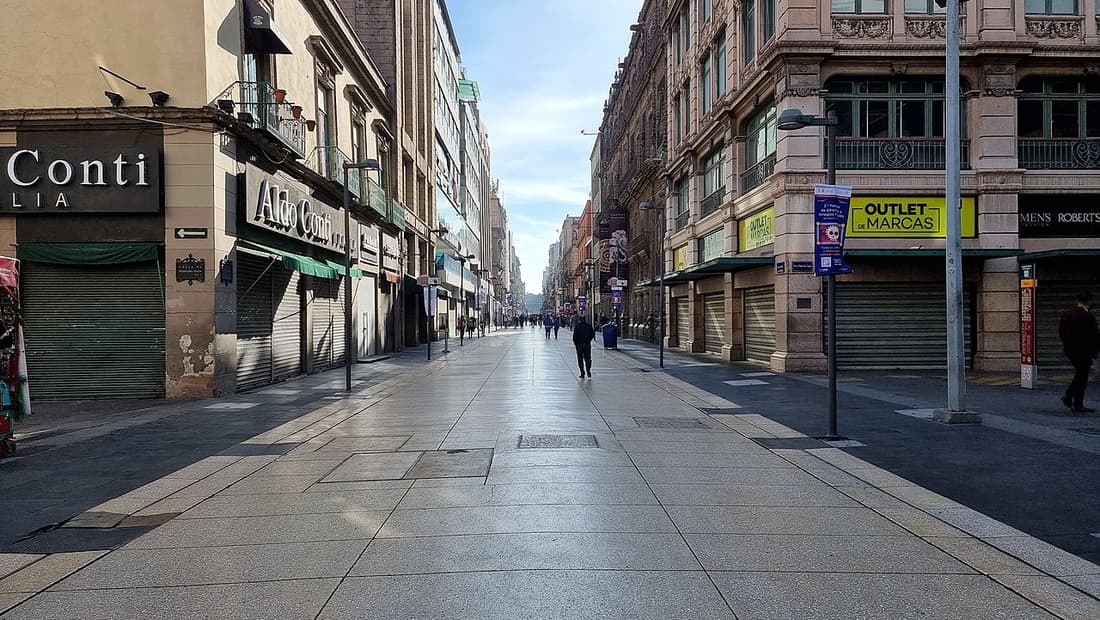
Mercado de Medellín in the Roma Norte neighbourhood is one of Mexico City's most beloved traditional markets, where the weekend taquería stalls, fresh fruit vendors, and Caribbean food section fill with football fans, families, and colonia residents creating a cross-section of Mexico City's diverse food culture that reflects the city's status as one of the world's great dining destinations. The carnitas, enfrijoladas, and agua de jamaica consumed here before an Azteca match fuel the passion that the stadium then amplifies. Roma Norte's café culture extends the market experience into a full afternoon before evening kickoffs.

Things to Do

Estadio Olímpico Universitario — UNAM Pumas — Attraction
Attraction

Estadio Olímpico Universitario — UNAM Pumas

The Estadio Olímpico Universitario on the UNAM campus is one of the Western Hemisphere's most visually striking sports venues, its exterior covered by Diego Rivera's massive mosaic mural celebrating Mexican university life, and the home of Pumas UNAM — the proud student club whose amateur ethos and local academy make it one of Liga MX's most culturally distinct teams. The stadium hosted athletics and football at the 1968 Mexico City Olympics and its integration into the extraordinary UNAM campus — a UNESCO World Heritage Site — makes visiting it a dual architectural and sporting experience. The student atmosphere during a Pumas home match captures Mexico City's intellectual football culture at its most authentic.

Museo Soumaya — Attraction
Attraction

Museo Soumaya

Museo Soumaya in Polanco is one of Latin America's most architecturally dramatic buildings — a free-form aluminum-clad tower housing Carlos Slim's extraordinary art collection — and a mandatory cultural stop for sports travelers spending multiple days in Mexico City between Liga MX fixtures at the Azteca or Estadio Olímpico. The collection includes the world's largest Rodin sculpture collection outside Paris and works spanning five centuries of Western art, all available free of charge. Pairing a Soumaya morning with an Azteca evening is the Mexico City sports-travel luxury day.

Plan Your Trip to Estadio Azteca

Estadio Azteca in Mexico City is tracked across 2 events and seats 87,523 fans. Here's how fans build a trip around it:

Celebrity Sightings at Estadio Azteca

Events at Estadio Azteca

Series × Venue (All Years)

All Venue Hubs →

Series × Venue × Year

All Venue-Year Hubs →

Sources & References

Structured facts on this page (capacity, opening year, architect, ownership) are compiled from public reference databases and verified against venue coordinates.

Frequently Asked Questions About Estadio Azteca

Bad Bunny, Jessica Chastain, Antonio de la Rúa, Claudia Sheinbaum have been spotted at Estadio Azteca.

Estadio Azteca has a capacity of 87,523 people.

Estadio Azteca opened in 1966. It was designed by Pedro Ramírez Vázquez, Rafael Mijares Alcérreca.

Club América, Mexico National Team play home games at Estadio Azteca in Mexico City.

Minnesota Vikings at San Francisco 49ers, Mexico City at the 2026 FIFA World Cup are among the events held at Estadio Azteca.