Skip to content
Tokyo Dome
stadium

Tokyo Dome

Tokyo, Japan · Capacity: 55,000

Opened:1988
Capacity:55,000
Location:Tokyo, Japan
Home:Yomiuri Giants, Hokkaido Nippon-Ham Fighters

About Tokyo Dome

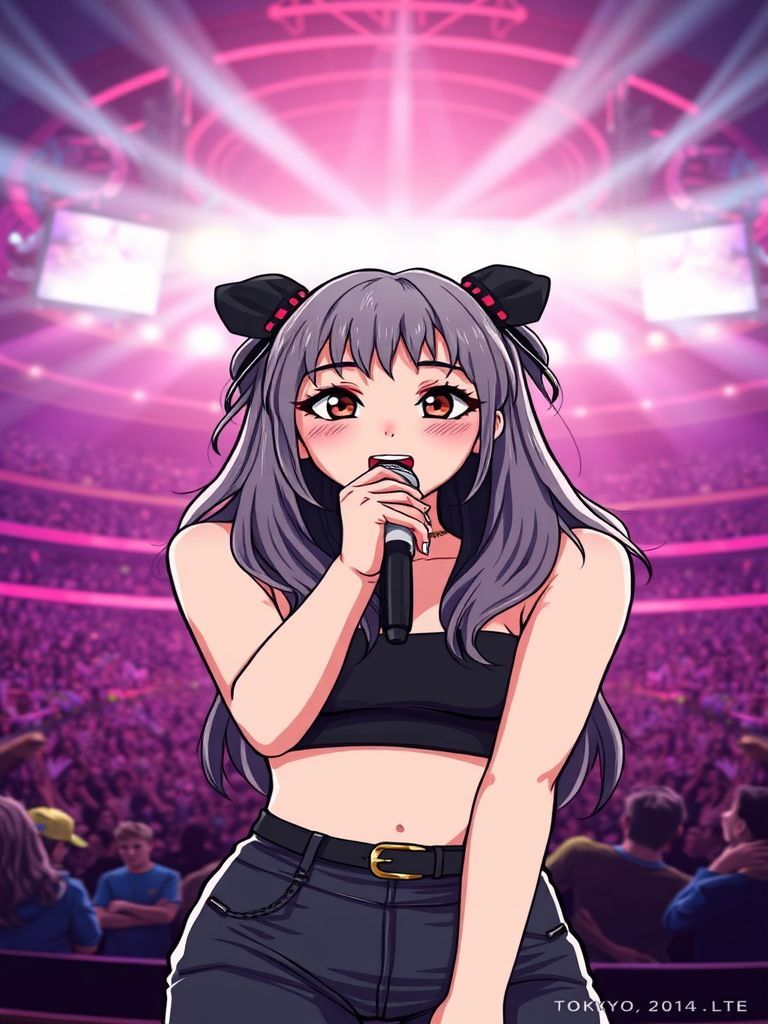
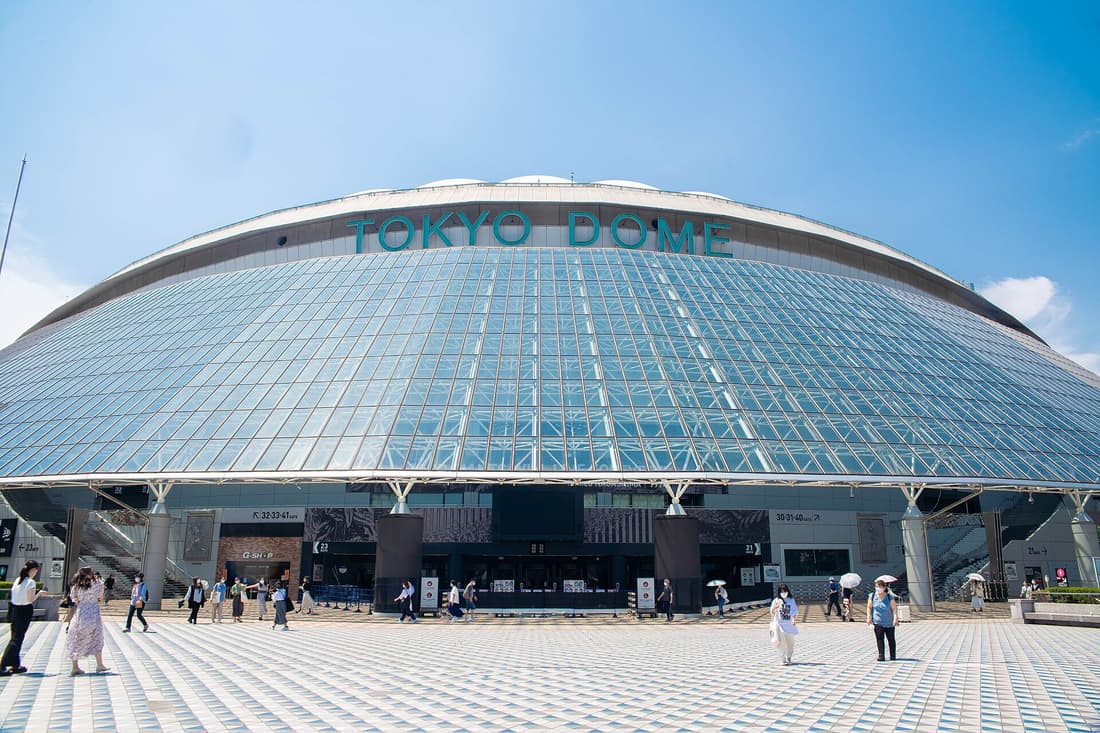
Japan's first domed stadium, 'The Big Egg.' Home to the Yomiuri Giants. A 'Tokyo Dome run' of multiple sold-out nights is a defining career milestone for international and J-pop artists.

  • Opened: 1988
  • Capacity: 55,000
  • Address: 1-3-61 Koraku, Bunkyo, Tokyo
  • Architect: Takenaka Corporation
  • Operator: Tokyo Dome Corporation
  • Home teams: Yomiuri Giants, Hokkaido Nippon-Ham Fighters
  • Owner: corporation
  • Official site: www.tokyo-dome.co.jp/dome
Fan Guide · Yomiuri Giants

The Big Egg: baseball in the heart of Tokyo

Tokyo Dome — “the Big Egg” — is the home of the Yomiuri Giants, Japan's most popular and successful baseball club, an air-supported domed stadium that's also one of the country's premier concert and event venues.

It anchors the Tokyo Dome City entertainment complex, with an amusement park and onsen, in central Tokyo.

Below are the Tokyo stays, restaurants and bars fans use around Tokyo Dome.

Fan tip: Japanese baseball is a joyously different experience — organized cheering, food and all — and Tokyo Dome City wraps it with rides and an onsen.

Where Fans Stay, Eat & Drink near Tokyo Dome

All Tokyo hotspots →

Hotels, bars, restaurants and things to do near Tokyo Dome in Tokyo — every pick web-researched and source-cited, closest to the stadium first.

Where to Stay

Bars & Pubs

Andaz Tokyo Rooftop Bar — Fan Bar
Fan Bar

Andaz Tokyo Rooftop Bar

The 52nd-floor rooftop bar at Andaz Tokyo Toranomon Hills offers one of the city's most spectacular panoramas and has become a favored celebration spot for fans and athletes visiting Tokyo for international tournaments and Olympic events. The bar's Japanese whisky selection is outstanding, and the craft cocktail menu draws on seasonal ingredients in ways that reward curious fans looking to try something beyond beer. On clear evenings Mount Fuji is visible on the horizon, providing a backdrop for sports toasts that is uniquely and dramatically Tokyo.

Super Dry Hall Asakusa — Fan Bar
Fan Bar

Super Dry Hall Asakusa

Designed by Philippe Starck and topped by the famous golden flame sculpture, the Super Dry Hall on the Sumida River is a landmark beer hall where Tokyo sports fans celebrate wins in grand style with Asahi on tap and views of Tokyo Skytree. The hall's riverside location and dramatic architecture make it a popular spot for fan groups who want to mark a special occasion after a Yomiuri Giants or Japan national team victory. The ground-floor space can accommodate large groups and the beers arrive cold and fast — exactly what post-match fans demand.

Shibuya Crossing Sports Bars — Fan Bar
Fan Bar

Shibuya Crossing Sports Bars

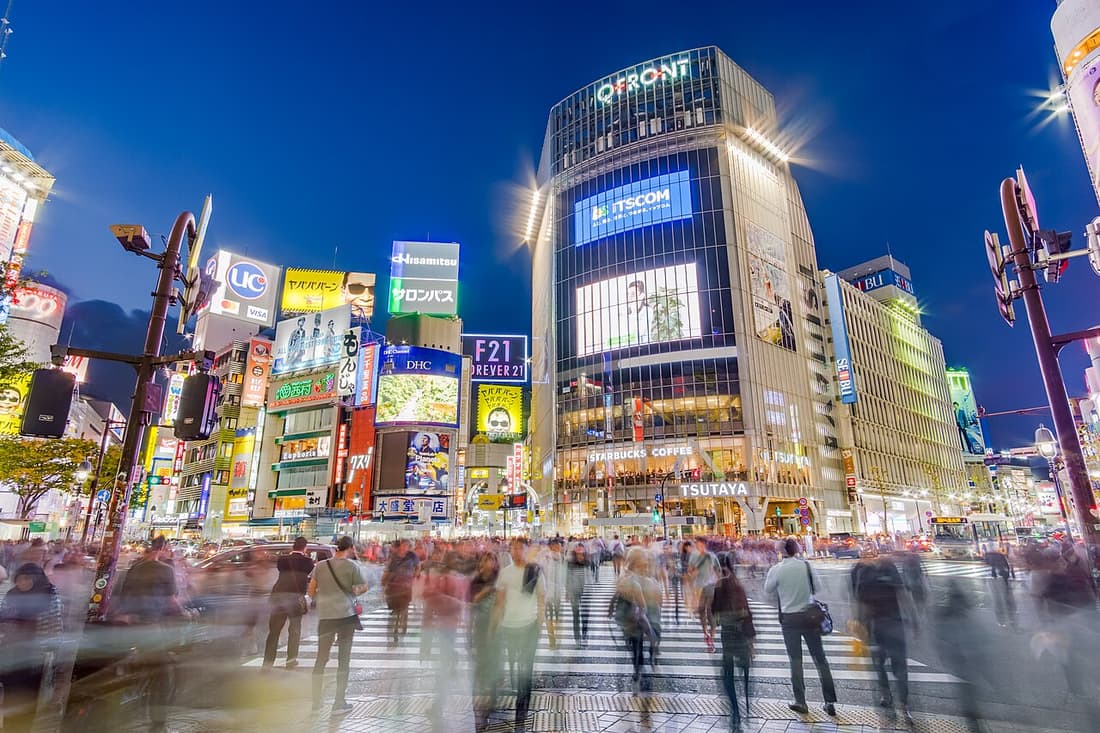
The bars in the Shibuya and Dogenzaka area near the world's busiest pedestrian crossing concentrate some of Tokyo's finest sports bars, where Premier League, J-League, and Rugby World Cup matches are screened to a passionate international crowd that includes resident expats, overseas fans, and Japanese supporters equally devoted to global sport. The Shibuya Crossing itself has become one of Japan's great fan celebration sites, famously filling with Japan national team supporters on World Cup match nights for scenes of joyful collective emotion. The intersection's global fame combined with Japan's football passion creates something genuinely extraordinary.

Restaurants

Omoide Yokochō (Memory Lane) — Fan Eats
Fan Eats

Omoide Yokochō (Memory Lane)

Omoide Yokochō — Memory Lane — is a narrow alley of tiny smoke-filled yakitori stalls under the Shinjuku railway arches that has been feeding Tokyo sports fans since the postwar era, where charcoal-grilled chicken skewers, cold Sapporo lager, and the shoulder-to-shoulder intimacy of eight-seat stall counters create one of the world's great post-match eating experiences. The alley's survival as an untouched pocket of old Tokyo amid the surrounding skyscrapers gives it a powerful atmosphere of time compression. Going here after a Jingu baseball game or a Japan national team match at the National Stadium is a Tokyo sports travel non-negotiable.

Yurakucho Yakitori Alley — Fan Eats
Fan Eats

Yurakucho Yakitori Alley

The cluster of smoky yakitori stalls tucked beneath the JR rail tracks at Yurakucho has been the definitive post-game destination for Tokyo Giants and Swallows fans walking back from Tokyo Dome and Jingu Stadium for decades. The narrow alley fills shoulder-to-shoulder on game nights with salary workers and die-hard fans clutching cold Super Dry beers and arguing over the night's pivotal plays. Arriving in full kit is encouraged and the vendors take it as a compliment — this is one of the most authentic fan dining experiences in all of Japan.

Things to Do

Japan National Stadium (Olympic Stadium) — Attraction
Attraction

Japan National Stadium (Olympic Stadium)

Designed by Kengo Kuma and host to the Tokyo 2020 Olympic opening ceremony, Japan National Stadium is the country's most architecturally significant modern sports venue and now hosts international football, rugby, and major athletics meets. The wood-and-greenery aesthetic is unlike any other major stadium in the world, and the approach through Shinjuku Gyoen's gardens gives a matchday walk unlike anything else. A must-see for any serious sports architecture fan.

Plan Your Trip to Tokyo Dome

Tokyo Dome in Tokyo is tracked across 0 events and seats 55,000 fans. Here's how fans build a trip around it:

  • Anchor Event: Use the event cards below to select your next anchor date.
  • Celebrities Tracked Here: Rosé and others appear in linked venue sightings.
  • Post-Event Path: Continue into Tokyo and Tokyo hotspots for food, bars, and stay options.

Celebrity Sightings at Tokyo Dome

Sources & References

Structured facts on this page (capacity, opening year, architect, ownership) are compiled from public reference databases and verified against venue coordinates.

Frequently Asked Questions About Tokyo Dome

Rosé have been spotted at Tokyo Dome.

Tokyo Dome has a capacity of 55,000 people.

Tokyo Dome opened in 1988. It was designed by Takenaka Corporation.

Yomiuri Giants, Hokkaido Nippon-Ham Fighters play home games at Tokyo Dome in Tokyo.

Check our events page for upcoming events at Tokyo Dome.